
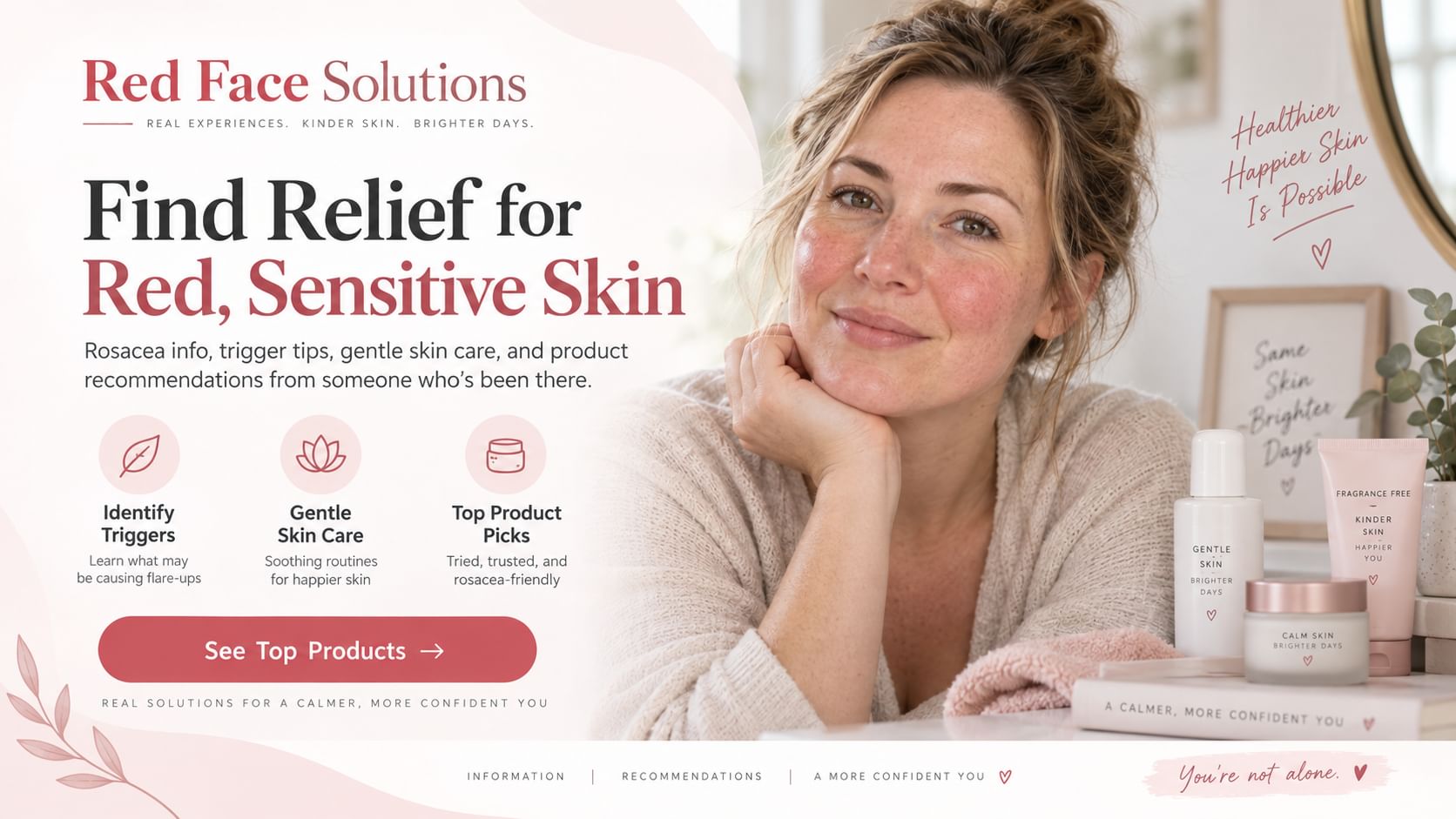
How to Calm a Rosacea Flare-Up
A rosacea flare-up can feel like it shows up out of nowhere - sudden flushing, stubborn redness, warmth, stinging, or bumps that seem to ignore your usual routine. The good news is that many flare-ups can be calmed with a few smart, skin-barrier-first steps, plus a plan to reduce the chance of the next one.
This guide focuses on what to do right now, what to avoid while your skin is reactive, and when it is safer to get professional help. It is not a diagnosis, and not all facial redness is rosacea. Persistent, worsening, painful, or unexplained redness deserves a clinician’s evaluation.
First, Confirm You Are Not Treating the Wrong Problem
“Red and angry” skin can look similar across several conditions, and the best way to calm it depends on the cause.
Rosacea flare-ups often involve some combination of:
- Sudden flushing or persistent central facial redness (cheeks, nose, chin, forehead)
- Burning, stinging, or sensitivity to products that used to feel fine
- Acne-like bumps (papules and pustules) without blackheads
- Visible blood vessels in some people
- Eye symptoms in some people (dryness, burning, gritty feeling, eyelid irritation)
Other common causes of facial redness include:
- Temporary flushing (heat, exercise, alcohol, embarrassment, spicy foods)
- Sensitive or irritated skin from over-exfoliation or harsh products
- Acne (especially with blackheads, oily skin, and clogged pores)
- Eczema (itchy, dry, scaly patches)
- Seborrheic dermatitis (greasy scale, often around the nose, eyebrows, and scalp)
- Contact dermatitis (a rash after a new product, fragrance, sunscreen, hair product, or detergent)
- Sunburn (tenderness, heat, and recent sun exposure)
- Allergic reactions (hives, swelling, intense itch, or rapid onset)
If your redness is new, severe, spreading quickly, blistering, or comes with facial swelling, trouble breathing, fever, or significant eye pain or vision changes, treat that as urgent and seek medical care promptly.
The “Calm-Down Plan” for the Next 24 to 72 Hours
When you are in a flare, your goal is to reduce heat and inflammation, protect the skin barrier, and stop “stacking” irritants. Think: fewer steps, fewer ingredients, gentler touch.
Start with this simple reset:
- Pause scrubs, brushes, cleansing devices, peels, and exfoliating acids.
- Pause retinoids (retinol, adapalene, tretinoin) until your skin feels stable again.
- Skip fragranced products, essential oils, and strong actives.
- Keep your routine to cleanser, moisturizer, and sunscreen only.
If you already use a prescription rosacea medication, keep using it as directed unless your prescriber told you to stop during flares. If it suddenly burns much more than usual, it is reasonable to pause and ask your clinician for guidance.
Cool the Heat - Without Harming Your Skin
A flare is often a “heat event.” Cooling can help, but aggressive cooling can backfire.
What usually helps:
- Cool compress: dampen a soft washcloth with cool (not ice-cold) water and apply for 5 to 10 minutes.
- Thermal spring water mist: some people find it soothing, especially when followed immediately by moisturizer to reduce evaporation.
- A fan in a warm room, and avoiding hot showers or steam.
What to avoid:
- Ice directly on skin (can irritate, and extreme cold can trigger reactive flushing in some people).
- Rubbing your face to “cool it down.”
- Very hot drinks, saunas, and overheated workouts while you are flaring.
If you suspect heat is a major driver for you, you may want to review common rosacea triggers later. A helpful starting point is this guide on rosacea triggers.
Cleanse Like Your Barrier Is Injured (Because It Kind of Is)
During a flare, cleansing should remove sunscreen and buildup while doing as little else as possible.
Practical rules that help most rosacea-prone and sensitive skin:
- Use lukewarm water.
- Choose a mild, fragrance-free cleanser.
- Use fingertips only, then rinse gently.
- Pat dry with a soft towel - no rubbing.
If even rinsing stings, try cleansing once daily at night and using only lukewarm water in the morning. Over-cleansing can worsen tightness and burning.
Moisturize to Rebuild Comfort and Reduce Stinging
Many flare sensations - burning, tightness, “everything stings” - are tied to barrier disruption. A simple moisturizer can do a lot when it is well chosen.
Look for moisturizers that are:
- Fragrance-free and essential oil-free
- Designed for sensitive skin
- Supportive of the barrier (many formulas use ingredients like ceramides, glycerin, and dimethicone)
Try to avoid during a flare (not forever, just for now):
- Heavy fragrance or botanical blends
- Strong “tingly” ingredients (menthol, camphor)
- High levels of alcohol (often listed as alcohol denat.)
- Too many actives in one product
Apply moisturizer while skin is slightly damp to reduce dryness, then avoid touching your face throughout the day.
Sunscreen Is Non-Negotiable - But Your Formula Matters
Sun exposure is a common flare trigger, and daily sunscreen is one of the most practical long-term steps for rosacea-prone skin. During an active flare, though, the wrong sunscreen can sting.
Many people with rosacea do better with mineral sunscreens (zinc oxide and or titanium dioxide), which can be less irritating than some chemical filters. That said, reactions are individual, and any sunscreen can irritate if your barrier is very inflamed.
Tips that reduce the odds of stinging:
- Choose fragrance-free formulas.
- Avoid “sport” sunscreens if they contain extra alcohol or rub-resistant additives that sting on compromised skin.
- Apply over moisturizer to create a buffer.
- Patch test a new sunscreen on a small area for a few days first.
If sunscreen is a recurring problem for you, see this deeper guide to sunscreen for rosacea for selection criteria and common irritants to watch.
Stop the “Irritation Cascade”: Common Flare-Makers to Pause
During a flare, your skin’s threshold is lower. Products or habits that were “fine” last month can suddenly feel unbearable.
Consider pausing:
- Exfoliating acids (glycolic acid, lactic acid, salicylic acid) and at-home peels
- Retinoids (over-the-counter retinol or prescription tretinoin)
- Benzoyl peroxide, unless instructed by a clinician
- Vitamin C serums that sting (especially low-pH ascorbic acid formulas)
- Fragrance, essential oils, heavily scented makeup, and fragranced wipes
- “Hot” skincare steps like facial steaming or hot towels
When your flare settles, you can reintroduce one product at a time, every several days, so you can identify what your skin tolerates.
Redness Cover-Up That Does Not Make Things Worse
Sometimes you need to look less red today, even while you are actively calming a flare. Makeup cannot treat rosacea, but it can reduce the appearance of redness when chosen carefully.
If you are covering redness during a flare:
- Prioritize comfort over staying power. The most long-wearing formulas can require more rubbing to remove.
- Consider a green-tinted color corrector under foundation or concealer to neutralize redness.
- Use non-fragranced, sensitive-skin-friendly options when possible.
- Remove gently at night with a mild cleanser rather than scrubbing.
If you are exploring camouflage options, this guide on redness correctors breaks down how green tinting works and what to look for if your skin is reactive.
If Your Flare Includes Bumps, Do Not Treat It Like Typical Acne
Rosacea bumps can resemble acne, but they are not the same thing, and standard acne routines can worsen rosacea irritation.
What to be careful with:
- Harsh acne cleansers used twice daily
- High-strength benzoyl peroxide
- Aggressive salicylic acid use
- Multi-step acne regimens that dry and strip the barrier
If you frequently get bumps with flares, it is worth discussing with a dermatologist. Prescription options can target rosacea inflammation more directly, and a clinician can help distinguish rosacea bumps from acne or folliculitis.
Prescription Options That Can Calm Redness and Flares (What They Do, and What to Expect)
If you have confirmed rosacea and frequent or intense flares, prescription treatments can be part of a realistic, long-term plan. They do not “cure” rosacea, but they can reduce symptoms and help prevent flares.
Common categories include:
Topical anti-inflammatory and antiparasitic treatments
- Metronidazole, azelaic acid (prescription strength in some products), and ivermectin are commonly used for inflammatory rosacea and bumps. Effects typically build over weeks, not overnight.
Topical redness-reducers (vasoconstrictors)
- Brimonidine gel and oxymetazoline cream are prescribed to reduce persistent facial erythema by temporarily narrowing blood vessels. They can work the same day for some people, but results vary.
- Important limitation: some people experience rebound redness or worsening erythema after the effect wears off. This is not guaranteed, but it is a real possibility to discuss with a prescriber.
Oral options for certain cases
- Clinicians sometimes prescribe oral antibiotics (often doxycycline, including low-dose anti-inflammatory versions) for inflammatory rosacea. These require individualized medical guidance.
Because these are medical treatments with risks and benefits, the right choice depends on your subtype, symptoms, skin sensitivity, other health conditions, and pregnancy status. If you are curious about what typically gets prescribed and why, this overview of rosacea treatments can help you prepare for a more productive appointment.
Do This If Your Eyes Are Involved (Do Not “Wait It Out”)
Rosacea can affect the eyes (often called ocular rosacea). Symptoms may include dryness, burning, redness, watery eyes, a gritty sensation, frequent styes, or eyelid irritation.
If you have eye discomfort with facial flares:
- Avoid eye makeup until symptoms calm.
- Use preservative-free artificial tears if dryness is an issue.
- Seek professional evaluation, especially for eye pain, light sensitivity, worsening redness, discharge, or any vision changes.
Eye symptoms are a strong reason to involve a dermatologist, optometrist, or ophthalmologist rather than trying to self-manage.
A Simple Flare-Resistant Routine You Can Stick With
Once your skin calms, the most helpful routine is usually the one you can repeat consistently without irritation. For many rosacea-prone people, that means a short routine with a high emphasis on barrier support and sun protection.
A practical baseline:
- Morning: gentle cleanse (or rinse), moisturizer, sunscreen
- Evening: gentle cleanse, moisturizer
Add-ons to consider only if tolerated and introduced slowly:
- A targeted prescription topical, if prescribed
- A carefully chosen, non-stinging active that your skin handles well
If your skin tends to react to “almost everything,” keep a short list of products that have never burned you, and return to that list at the first sign of a flare.
When It Is Time to Get Help Instead of Pushing Through
Consider scheduling an evaluation if:
- Redness is persistent, unexplained, worsening, or painful.
- You have frequent flares that disrupt daily life.
- Over-the-counter routines consistently fail, or your skin is becoming progressively more reactive.
- You have eye symptoms, especially pain, light sensitivity, or vision changes.
- You suspect contact dermatitis (a product reaction), especially after a new skincare, haircare, sunscreen, or fragrance exposure.
- You have other symptoms like fever, facial swelling, or rapidly spreading rash.
A clinician can help confirm whether this is rosacea or another condition that needs a different approach, and they can tailor treatment to your specific triggers and skin tolerance.
Calming a rosacea flare-up is often about doing less, not more: reduce heat, simplify your routine, protect your barrier, and avoid the temptation to “scrub it off.” Over time, a consistent gentle routine, daily sunscreen, and a clear trigger plan can make flare-ups less frequent and easier to manage when they do happen.
News